




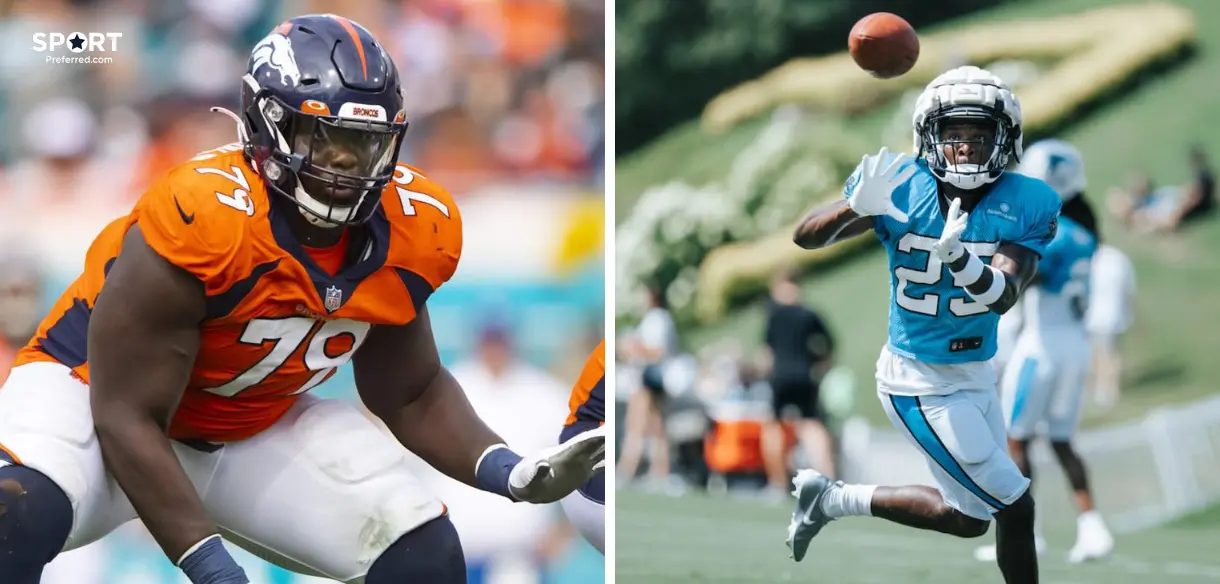
The Tennessee Titans have taken a significant step toward reshaping their roster for the 2026 NFL season by releasing center Lloyd Cushenberry III and defensive back Xavier Woods on February 25, 2026.
Cushenberry was released with a failed physical designation, while Woods was waived outright. The moves signal the start of a broader strategy to clear salary cap space and reset parts of the roster following expensive signings made during the 2024 free agency period.
These decisions provide the Titans with immediate financial flexibility as they prepare for offseason rebuilding.
Lloyd Cushenberry’s Contract and Injury Concerns
Cushenberry, 28, joined Tennessee in 2024 on a four-year deal worth $50 million, including $27.5 million guaranteed. The former third-round draft pick from LSU showed promise early but struggled with injuries during his time with the team.
He suffered an Achilles injury during his first season and later returned to play a full schedule in 2025. However, failing a team physical ahead of the 2026 season led to his release.
Despite the move, the Titans will still carry a significant dead cap charge due to prorated bonus money.
Also see: FIFA World Cup 2026: Schedule, Groups, Format, Host Cities
Xavier Woods Release Adds Cleaner Cap Relief
Veteran defensive back Xavier Woods was also released after one season in Tennessee. The 30-year-old signed a two-year, $8 million deal in 2025 and contributed with solid defensive production, including tackles and interceptions.
However, injuries limited his availability, and with one year remaining on his contract, the Titans chose to move on to free up additional cap space.
Compared to Cushenberry’s situation, Woods’ release provides more straightforward financial relief with minimal long-term cap impact.
Salary Cap Impact for the 2026 Season
| Player | Remaining Base Salary | Dead Cap Charge | Cap Savings | Overall Impact |
|---|---|---|---|---|
| Lloyd Cushenberry III | $8 million | ~$15 million | $3M+ immediate | Higher dead money, short-term relief |
| Xavier Woods | $4 million | ~$2 million | ~$2.5M–$4M | Clean cap savings |
| Total | — | ~$17 million | $5.5M–$6M | Increased financial flexibility |
Following these moves, Tennessee’s projected 2026 cap space rises to around $45 million, placing the team above the league average entering the offseason.
Also read: Champions League Round of 16 Draw 2026: Date, Schedule
What This Means for the Titans’ Rebuild
The roster decisions reflect a strategic shift under the front office as the organization focuses on building a stronger foundation, particularly along the offensive line.
With a young quarterback expected to be the future of the franchise, improving protection and overall roster depth has become a priority. Cushenberry’s performance decline after injury and a below-average grading level made the move easier from a football standpoint.
The Titans are now expected to target a new center and additional offensive line help through the NFL Draft or free agency.
With increased cap space and roster flexibility, the Titans are positioned to be active during the offseason. The upcoming NFL Combine and free agency period will be key moments as the team evaluates talent and looks to strengthen multiple positions.
There is also growing attention on other recent signings from the 2024 class, as Tennessee continues to assess long-term value across the roster.
These early moves make one thing clear — the Titans are entering a transition phase with a focus on long-term stability and smarter cap management.
 Add as a preferred source on Google