




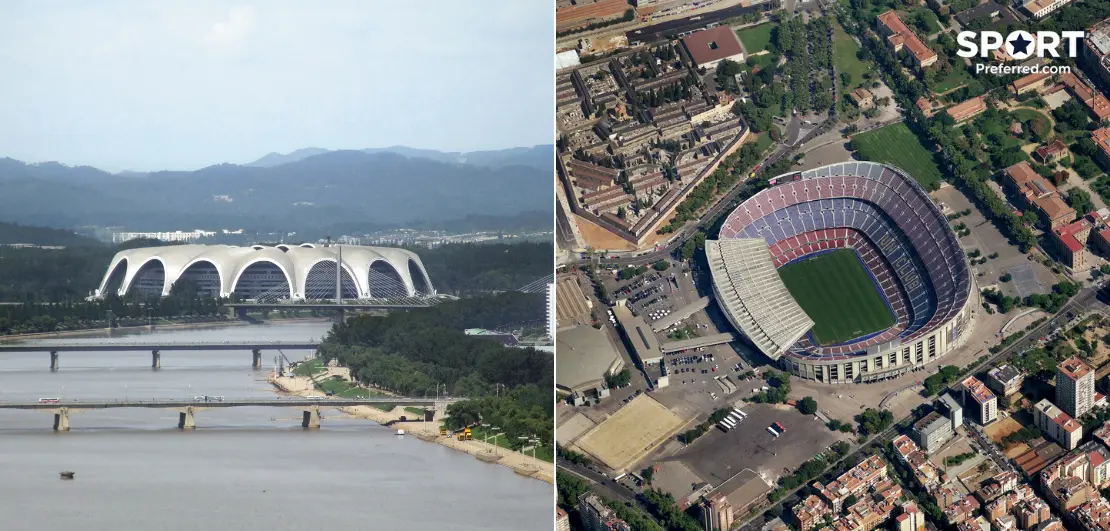
Football (soccer) is the world’s most followed sport, and the size of its stadiums reflects the passion of millions of fans who gather to witness history being made. The biggest soccer stadiums in the world are not just large structures — they are cultural landmarks, national symbols, and hosts of unforgettable football moments.
This 2026 updated list focuses strictly on stadiums that regularly host association football (soccer). While many massive arenas exist worldwide, only those actively used for football matches are included here. Capacity figures reflect modern, realistic seating estimates, not outdated or inflated claims.
Top 10 Biggest Soccer Stadiums in the World (2026)
| Rank | Stadium | Country | Seating Capacity | Known For |
|---|---|---|---|---|
| 1 | Rungrado 1st of May Stadium | North Korea | ~114,000 | World’s largest soccer stadium |
| 2 | Melbourne Cricket Ground (MCG) | Australia | 100,024 | Historic multi-event football venue |
| 3 | Camp Nou (Renovated) | Spain | 99,354 | Europe’s largest football-only stadium |
| 4 | FNB Stadium (Soccer City) | South Africa | 94,736 | 2010 FIFA World Cup Final |
| 5 | New Administrative Capital Stadium | Egypt | 93,940 | Africa’s most modern mega stadium |
| 6 | Lusail Stadium | Qatar | 88,966 | 2022 FIFA World Cup Final |
| 7 | Estadio Azteca | Mexico | 87,523 | Only stadium to host two WC finals |
| 8 | Bukit Jalil National Stadium | Malaysia | 87,411 | Southeast Asia’s largest |
| 9 | Borg El Arab Stadium | Egypt | 86,000 | Second-largest in Africa |
| 10 | Salt Lake Stadium | India | 85,000 | India’s biggest football venue |
1. Rungrado 1st of May Stadium – North Korea
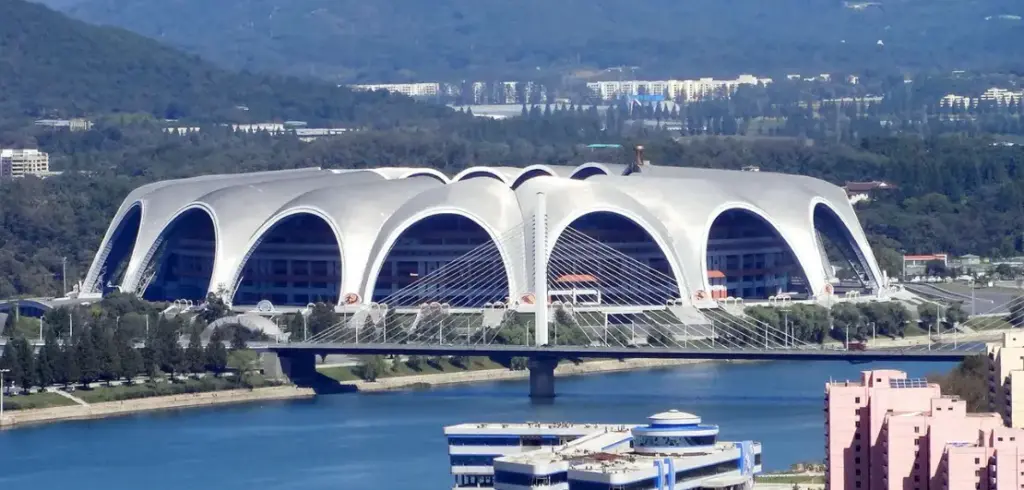
- Capacity: ~114,000
- City: Pyongyang
- Opened: 1989
Rungrado 1st of May Stadium is widely regarded as the biggest soccer stadium in the world. While early reports claimed capacities as high as 150,000, modern seating assessments place it closer to 114,000, which still comfortably keeps it at No.1 globally.
Its distinctive magnolia-shaped roof and sheer scale make it one of the most visually striking sports venues ever built. The stadium regularly hosts football matches, athletics, and national mass events.
2. Melbourne Cricket Ground – Australia
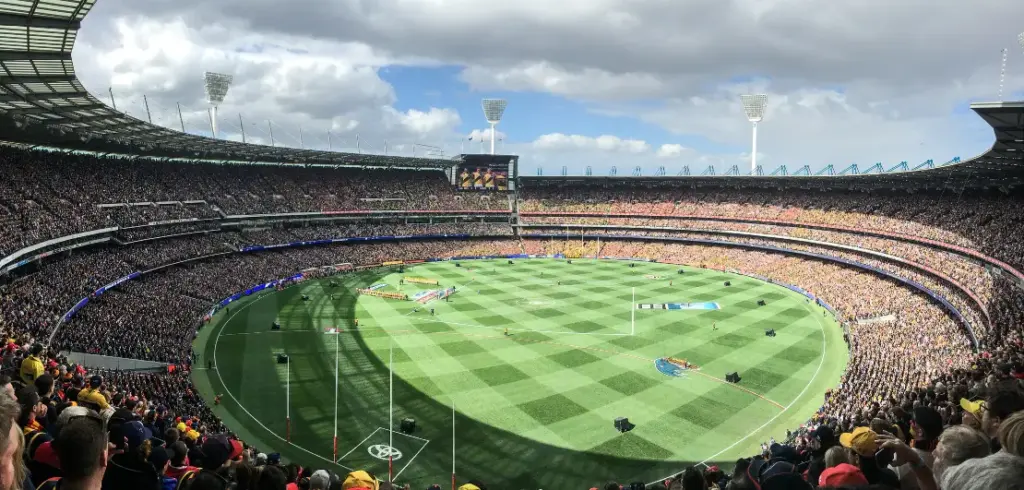
- Capacity: 100,024
- City: Melbourne
- Opened: 1853
Despite its name, the MCG is one of the largest active soccer venues in the world. It has hosted Olympic football, international friendlies, World Cup qualifiers, and record-breaking crowds for football in Australia.
Its inclusion is justified by regular football usage, making it one of the most iconic and historic stadiums on this list.
3. Camp Nou – Spain
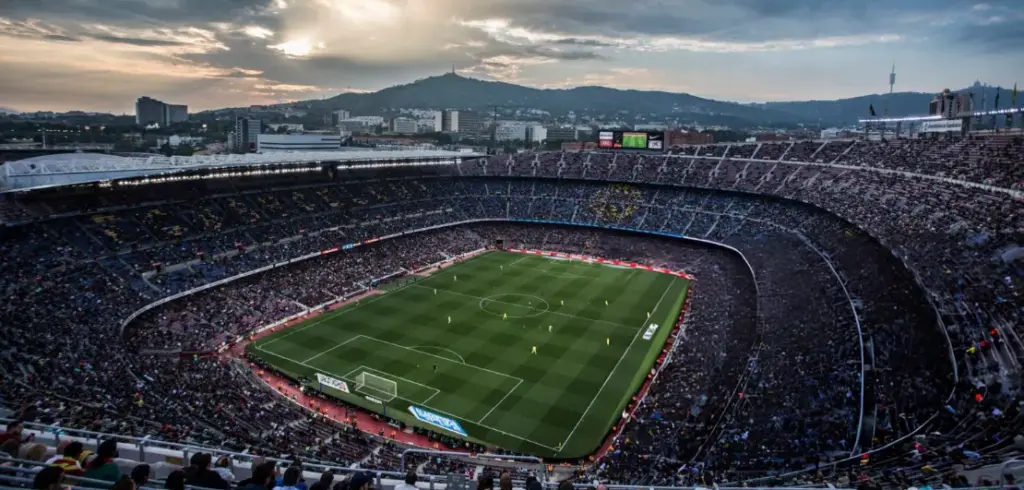
- Capacity: 99,354
- City: Barcelona
- Home Team: FC Barcelona
Camp Nou remains Europe’s biggest football-only stadium. The ongoing redevelopment (completed in phases by 2025) modernized the venue with improved roofing, sustainability features, and enhanced fan experience — while keeping its massive capacity intact.
Once fully reopened, it is expected to exceed 100,000 seats again, reinforcing its legendary status.
Read Also: Richest Football Clubs in the World 2025–2026
4. FNB Stadium – South Africa
- Capacity: 94,736
- City: Johannesburg
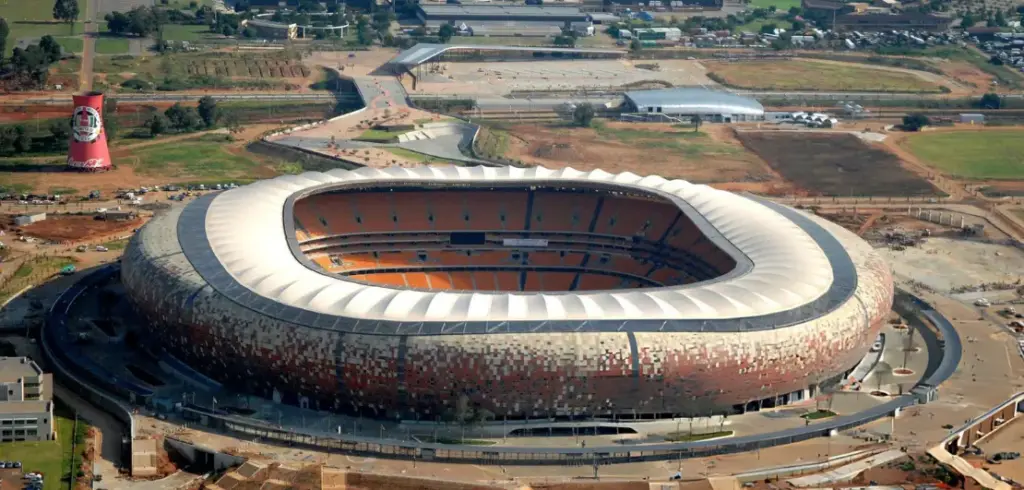
FNB Stadium, famously known as Soccer City, hosted the 2010 FIFA World Cup Final — the first World Cup final held in Africa. Its calabash-inspired exterior and electric matchday atmosphere make it one of football’s most iconic venues.
5. New Administrative Capital Stadium – Egypt
- Capacity: 93,940
- Opened: 2019
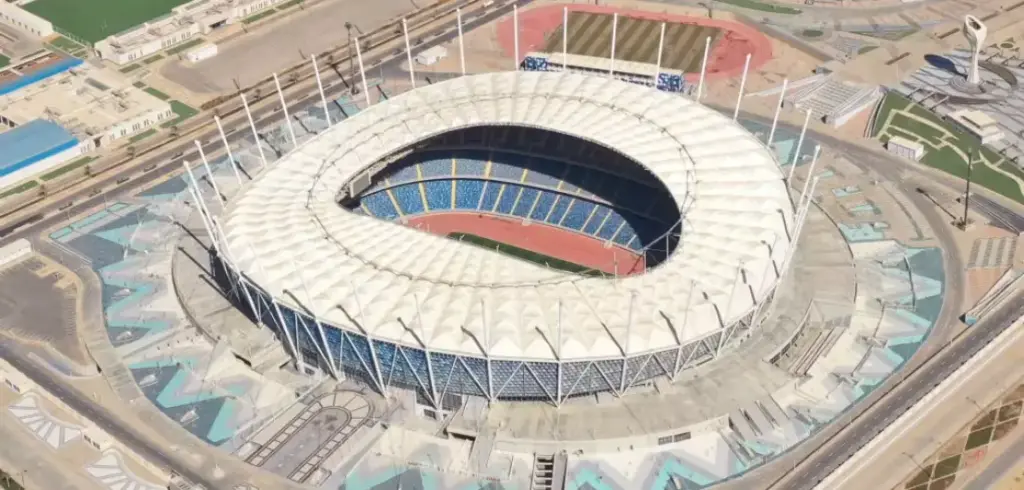
This is Africa’s most modern football stadium, designed with cutting-edge facilities and a roof inspired by Queen Nefertiti’s crown. It is Egypt’s new national stadium and a centerpiece of the country’s future international football ambitions.
6. Lusail Stadium – Qatar
- Capacity: 88,966
- City: Lusail
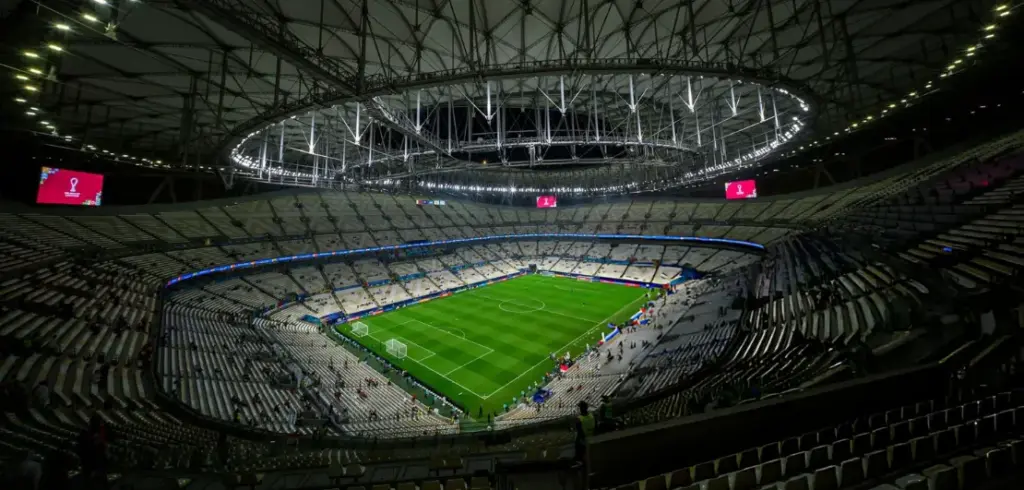
Lusail Stadium gained global fame by hosting the 2022 FIFA World Cup Final. Its golden façade and bowl-shaped design represent a new generation of mega football stadiums.
7. Estadio Azteca – Mexico
- Capacity: 87,523
- Opened: 1966
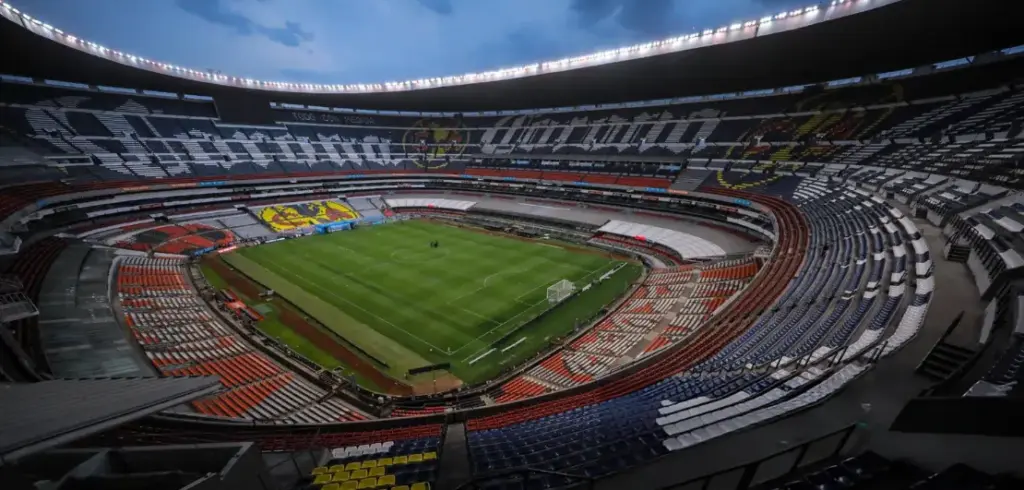
Estadio Azteca is the only stadium in history to host two men’s FIFA World Cup finals (1970 & 1986). Legendary moments involving Pelé and Diego Maradona were witnessed here, and it will again feature in the 2026 World Cup.
8. Bukit Jalil National Stadium – Malaysia
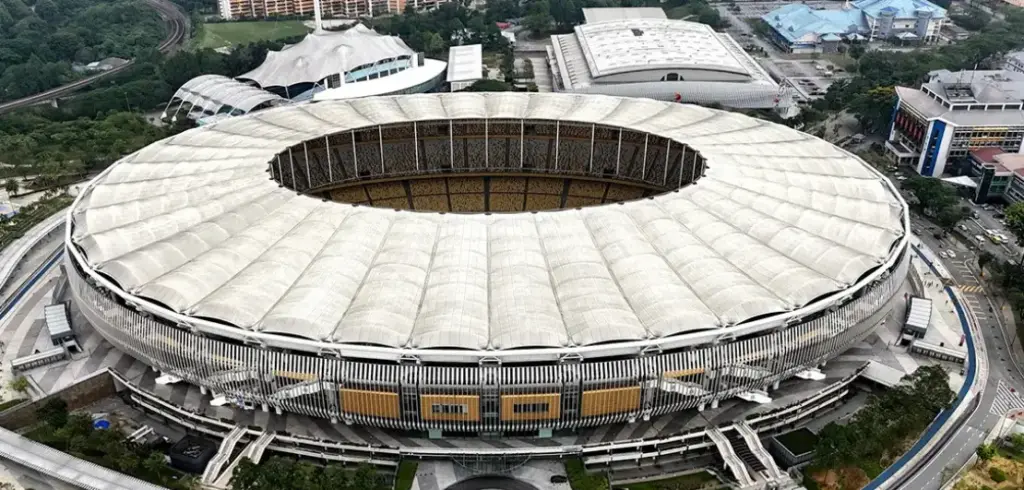
- Capacity: 87,411
The largest stadium in Southeast Asia, Bukit Jalil regularly hosts Malaysia’s national team matches, regional tournaments, and major football finals. Planned upgrades could push its capacity even higher in the future.
9. Borg El Arab Stadium – Egypt
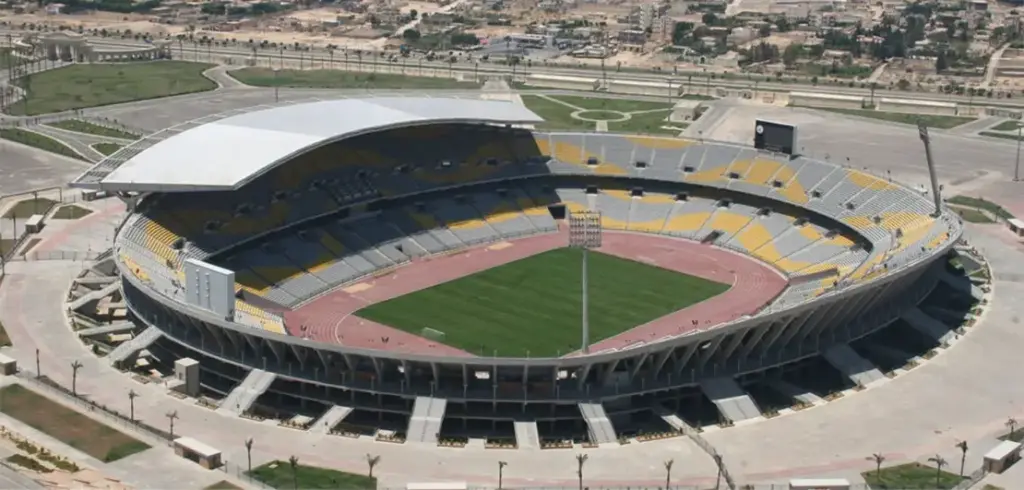
- Capacity: 86,000
Originally built as part of Egypt’s World Cup ambitions, Borg El Arab remains one of Africa’s largest football venues and continues to host major international fixtures.
See Also: Clubs With the Highest Fans in the World 2026
10. Salt Lake Stadium – India
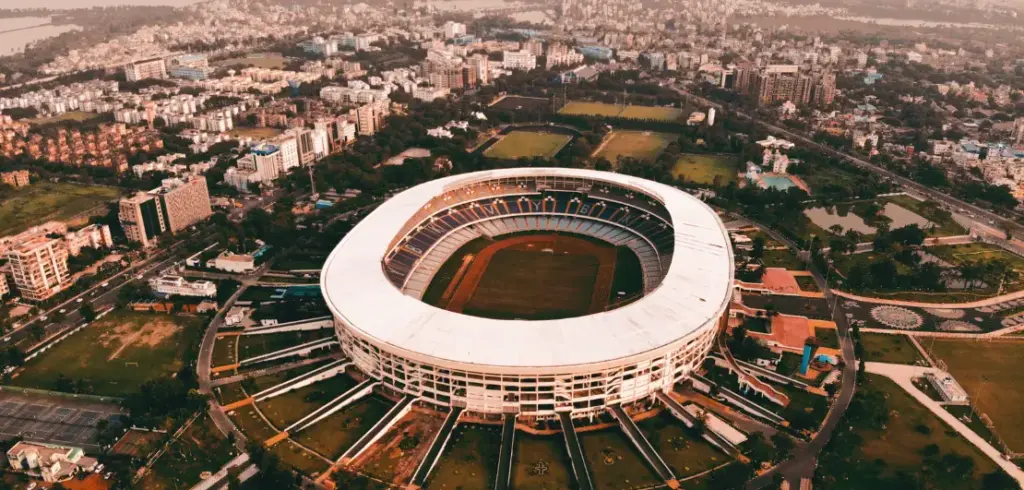
- Capacity: 85,000
Salt Lake Stadium (Vivekananda Yuba Bharati Krirangan) is India’s largest football stadium. Though its capacity was reduced from over 120,000 for safety reasons, it remains the beating heart of Kolkata’s legendary football culture.
Future Stadiums That Could Enter the Top 10
- King Salman International Stadium (Saudi Arabia) – 92,000
- New Manchester United Stadium (Proposed) – up to 100,000
- Guangzhou Football Park (China) – 74,707
Conclusion
The Top 10 Biggest Soccer Stadiums in the World (2026) showcase the incredible scale, history, and passion that define global football. From the colossal Rungrado Stadium to iconic venues like Camp Nou and Estadio Azteca, these arenas are more than match venues — they are symbols of football culture and heritage.
Like to know? Top 10 Richest Footballers in the World
As global investment in football infrastructure continues, future stadiums may soon challenge these rankings, but for now, these ten stand at the pinnacle of world football.
Frequently Asked Questions
What is the biggest soccer stadium in the world?
Rungrado 1st of May Stadium in North Korea, with an estimated capacity of around 114,000.
Why are some stadiums excluded?
Stadiums primarily used for American football or athletics, with minimal soccer use, are excluded to maintain soccer-specific relevance.
Is Camp Nou the biggest in Europe?
Yes. Camp Nou remains Europe’s largest football-only stadium
 Add as a preferred source on Google